Case Study · Tossits
From Losing Money to $1.5M a Year in 12 Months
Tossits was doing $10K a month and losing money doing it. Twelve months later, the brand was running at $1.5M a year, profitably.
This is what profit-first growth actually looks like: not a bigger ad budget, but a healthier business at every step of the scale.
The Starting Point
A Product People Loved. A Business That Lost Money.
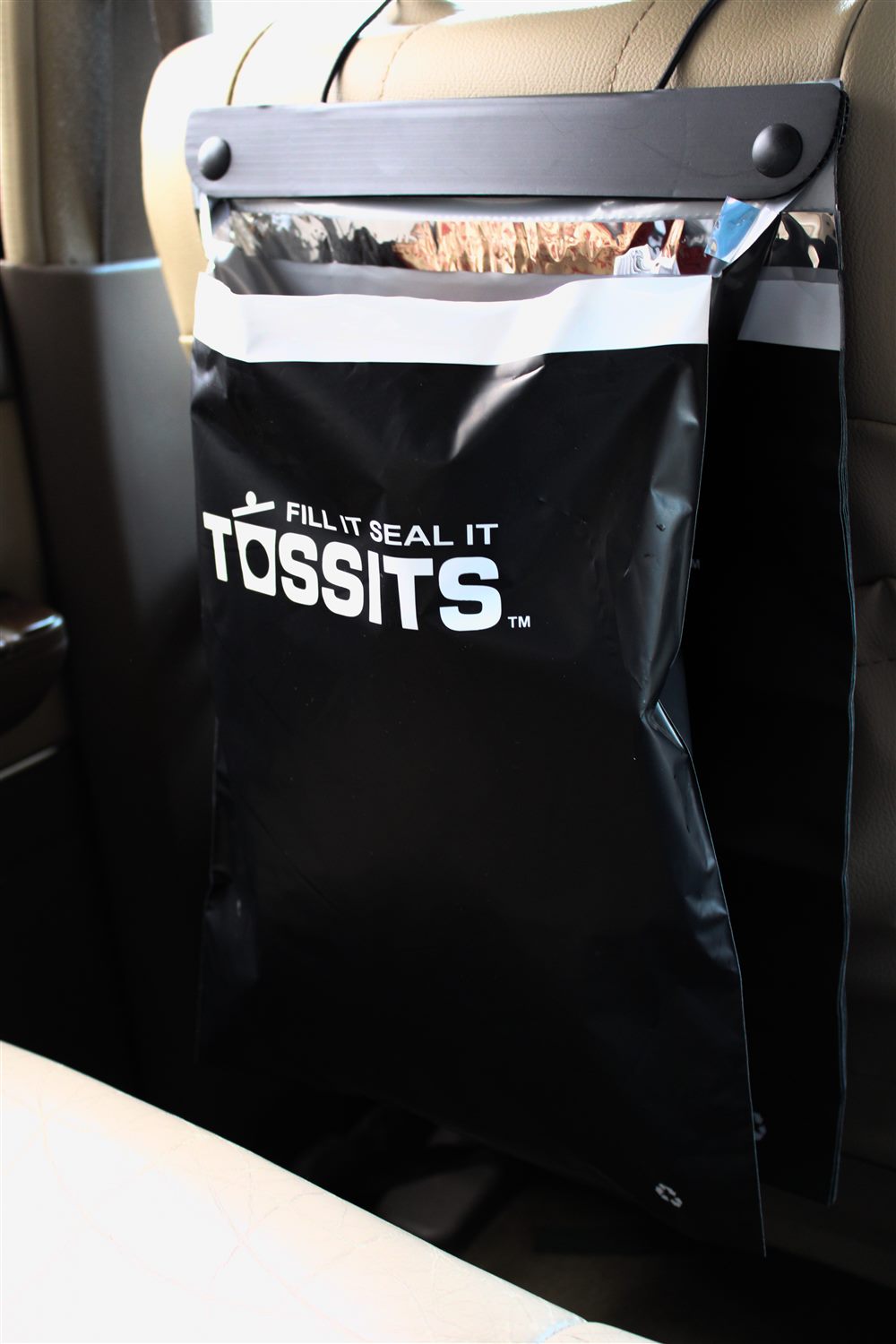
Tossits had the hard part figured out: a product customers genuinely wanted.
What it did not have was profitable growth. At $10K a month, every step forward cost more than it returned. Revenue came in. Profit did not.
This is the most common story in ecommerce. The dashboard says the brand is growing. The bank account says otherwise. Most agencies would have answered it the usual way: more ad spend, better ROAS screenshots, and the same shrinking margin underneath.
What We Changed
We Started With the Math, Not the Ads
Before scaling anything, we built clarity on profit. Break-even math for every pack size and bundle. A daily P&L that showed, every single morning, whether yesterday made money. That math exposed the real problem: the entry-size product had almost no margin, so every ad dollar behind it dug the hole deeper.
Then we rebuilt growth around one rule. Every dollar of marketing had to make the business healthier, not just bigger. Five moves did the work:
- Fixed the unit economics. Restructured the offer so entry sizes lived on Amazon, where volume made them profitable, and the website sold buy-more-save-more bundles that carried real margin. Ad targets were set from contribution margin, not platform ROAS.
- Went live everywhere buyers already shop. Amazon, TikTok Shop, Facebook and Instagram Shops, and the website, each with the offer structure that fit the channel. Amazon went from $8K a month to $1.7M in product sales.
- Rebuilt the website to convert. The old site split every pack size onto separate pages. We rebuilt it into one conversion-focused page with bundles, reviews, comparisons, and video. Conversion rate roughly tripled, from around 2% to a 6% average.
- Captured the demand that already existed. Email and SMS flows, a micro-commit opt-in that beat the old popup many times over, and branded search campaigns on Amazon and Google so competitors could not steal Tossits traffic.
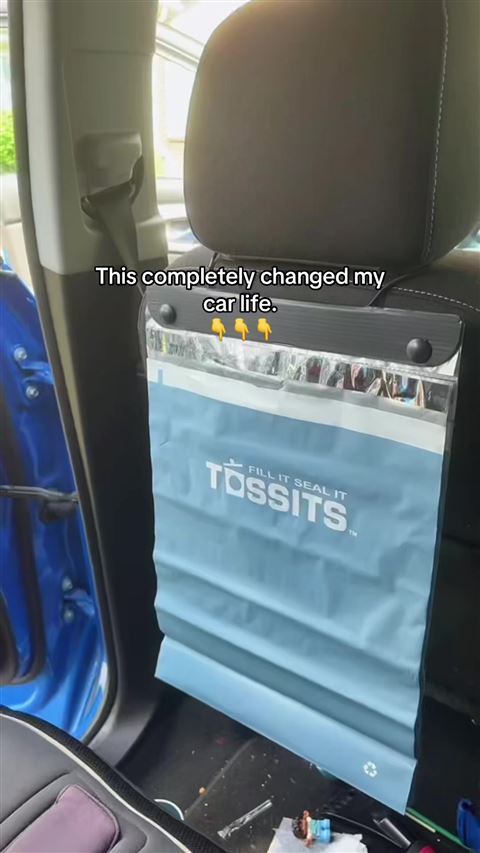
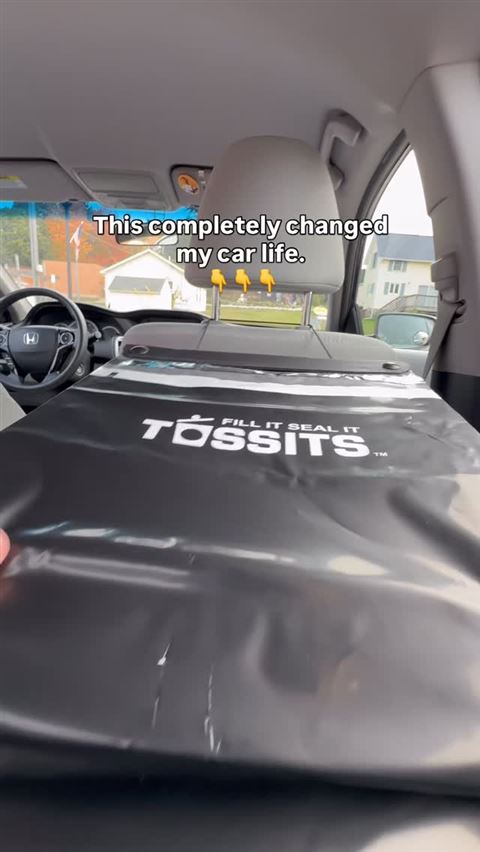
- Built a content engine to create new demand. Product demos posted daily across social. The outliers went viral, with top videos passing 3.1 million and 2.6 million views, and the winners became the paid ads. Before this system, a previous agency was charging thousands a month for views that never turned into sales.
No single tactic did it. The system did. That is the whole point of how we work: most agencies manage platforms, we help improve the business.
Watch Daniel walk through the entire system, screen share and all, in this 40-minute breakdown
The Content Engine, With Receipts
Real Posts. Real Reach.
These are live Tossits posts from the daily content system. Click any of them and check the numbers yourself.


North Track took our brand from losing money to profitably hitting $1.5M in just 12 months.

The Takeaway
Scaling Only Matters If the Business Gets Healthier
Tossits did not need a bigger budget. It needed the growth system fixed in the right order: economics, then conversion, then scale.
That order is why the growth held. Twelve months in, Tossits was not just bigger. It was profitable, and built to stay that way.
If your brand is growing but the profit is not showing up, that is usually a system problem, not an ad problem. It is also fixable.
Questions
About This Case Study
What did North Track Digital actually do for Tossits?
Five things, in order: built clarity on profit with break-even math and a daily P&L, restructured the offer across channels so every pack size had a profitable home, rebuilt the website so conversion roughly tripled, captured existing demand with email, SMS, and branded search, and built a daily content engine whose winning videos became the paid ads.
How long did it take Tossits to become profitable?
Twelve months from the first audit to a profitable $1.5M run rate. The growth continued from there, including expansion into retail.
Which channels drove the growth?
Amazon did the heaviest lifting, growing from $8K a month to $1.7M in product sales, alongside the Shopify site, organic social content, and paid ads across Meta, Google, and TikTok. Each channel got the offer structure that fit it.
Could this work for my brand?
Every brand is different and results vary, so we never promise numbers. What we can promise is the same starting point: the math first, then the system. Book a discovery call and we'll tell you honestly where your biggest opportunity is.
More Results
Want to Know What This Would Look Like for Your Brand?
Book a discovery call and we'll look at your margins, acquisition costs, and growth system, then tell you honestly where the biggest opportunity is.